
What to wear on safari
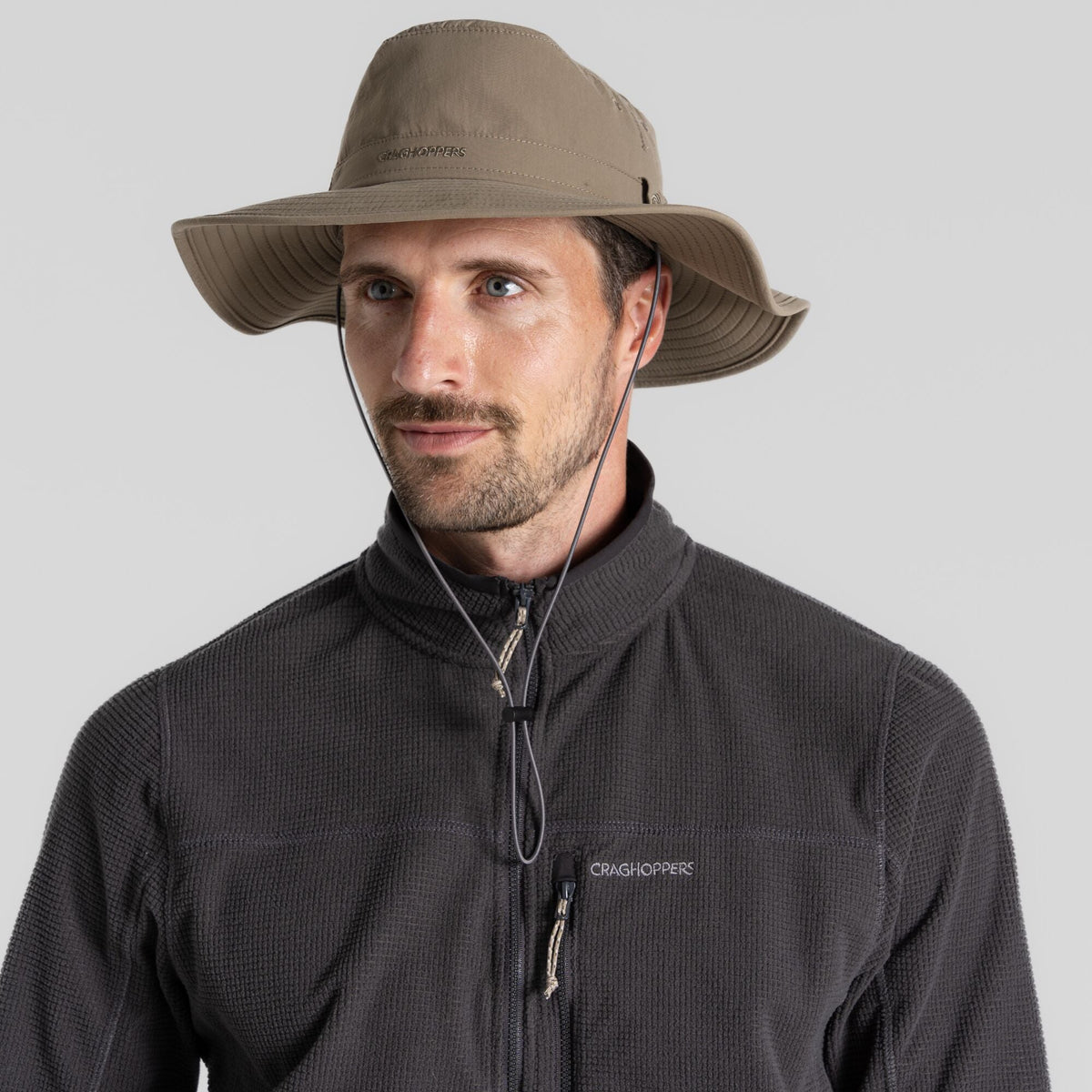
A safari day starts cold before sunrise, gets hot by midday and ends at dusk when the insects come out. Good safari clothing handles all three: neutral colours, layers you can peel off, and long sleeves and pants for sun and bites.
Colours: stick to neutral earth tones
Safari operator Wilderness recommends khaki, beige, olive green and brown, which blend into the bush.
- Avoid bright colours. They're more visible and distracting to others, which matters most on a walking safari.
- Avoid white. It stands out and shows the dust and dirt of a game drive.
- Avoid dark blue and black in tsetse fly areas. The CDC says tsetse flies are attracted to bright and very dark colours. Smartraveller notes tsetse flies are common in Tanzania's northern safari area and lists sleeping sickness among Kenya's insect-borne diseases.
- Skip full camouflage. Blend in with neutrals instead.
Layers for cold mornings and hot middays
Wilderness warns that early morning game drives can be surprisingly chilly. By midday it's hot.
Dress in layers you can take off and stow as it warms:
- A long sleeved shirt as your base. The NosiLife Adventure Long Sleeved Shirt III, for men and women, is a classic travel shirt.
- A fleece or warm jumper over the top for the first few hours.
- A light jacket for wind and the odd shower.
By midday the shirt is often all you need. Pull the warm layers back on for the evening drive.
Long sleeves and pants for sun and insects
Smartraveller gives the same advice for Kenya, Tanzania, South Africa and Botswana: wear long, loose, light-coloured clothing, use insect repellent and make sure your accommodation is insect-proof.
Malaria is a risk in many safari areas. Smartraveller says it's:
- widespread in Kenya, except Nairobi and above 2500 metres
- present year round in Tanzania, except above 1800 metres
- found in parts of South Africa, including Kruger National Park
- widespread in northern Botswana, especially in the November to March rainy season
Clothing is one layer of protection, not a replacement for medical advice. healthdirect recommends seeing your doctor or a travel clinic 4 to 6 weeks before you go, wearing light-coloured long trousers and long sleeved shirts in the evening, and using a repellent containing DEET, IR3535 or icaridin. Check the Smartraveller page for each country on your itinerary.
Tsetse flies are the exception. The CDC says insect repellent and treated clothing are not particularly effective against them, and that they can bite through lightweight clothing. In tsetse areas, colour and fabric weight do the work: medium-weight, neutral clothing.
How Craghoppers helps
- NosiLife has a plant-based insect repellent, Eucalyptus citriodora oil, built into the fabric for the life of the garment. See our insect repellent clothing, and does insect repellent clothing work? for what it can and can't do.
- SolarShield+ is what Craghoppers calls its ultimate safari technology. It's rated UPF 50+ and blocks 98% of UVA and UVB, built into the fabric. Read what UPF means.
Hats
Wilderness recommends a wide brim to shade your face, neck and ears, and a packable hat that fits in a day bag.
- For a classic safari hat, the NosiLife Outback Hat II has a wide brim.
- For more neck cover, the NosiLife Desert Hat III has a neck flap.
Add polarised sunglasses and sunscreen for your face and hands.
Convertible trousers
Convertible trousers convert to shorts. Wear them long for the cold dawn drive and the insects at dusk, then convert them to shorts for a hot afternoon at camp. Options include the Men's NosiLife Convertible Cargo Trouser III, Men's NosiLife Pro Convertible Trouser III and Women's NosiLife Pro Convertible Trousers III. See all convertible pants.
Pack light for bush flights
Many safaris move between camps on small aircraft with tight luggage rules. Safarilink, a Kenyan safari airline, limits most routes to 15 kg per person, hand luggage included, in soft bags. Wilderness also asks for soft luggage on its flights between camps. Check your airline's limit before you pack.
Laundry makes packing light easier. Wilderness says laundry at its camps usually comes back the same day or within 24 hours, weather permitting. Yellow Zebra Safaris notes camp laundry usually doesn't include underwear, so pack a few pieces you can wash in your room and dry overnight.
Safari packing list
| Item | Why |
|---|---|
| 2 or 3 long sleeved shirts | Sun and insect cover, rotated with camp laundry |
| 2 pairs of trousers, one convertible | Long for dawn and dusk, shorts for midday |
| Fleece or warm jumper | Cold early drives |
| Light jacket | Wind in open vehicles, showers |
| Wide-brimmed hat | Face, neck and ears |
| Socks and closed shoes | Walking, insects |
| Sunglasses and sunscreen | Glare and exposed skin |
| Soft duffel bag | Small aircraft luggage holds |
Shop the full range of safari clothing.
FAQs
What colours should you not wear on safari?
Avoid white and bright colours, which stand out and show dirt. In tsetse fly areas, avoid dark blue and black too.
What should women wear on safari?
The same basics apply: neutral long sleeved shirts, long trousers and a wide-brimmed hat. In Kenya, Smartraveller advises dressing modestly, with loose clothing that covers your shoulders, knees, midriff, chest and back, especially in coastal and rural areas.
Can you wear shorts on safari?
Yes, in the heat of the day. Change into long trousers for early mornings and evenings, when it's colder and insects are more active.
Does insect repellent clothing stop tsetse flies?
No. The CDC says repellent and treated clothing aren't particularly effective against tsetse flies. Wear medium-weight, neutral clothing in tsetse areas. Repellent clothing still helps against mosquitoes and other biting insects.