
What to wear hiking in Australia
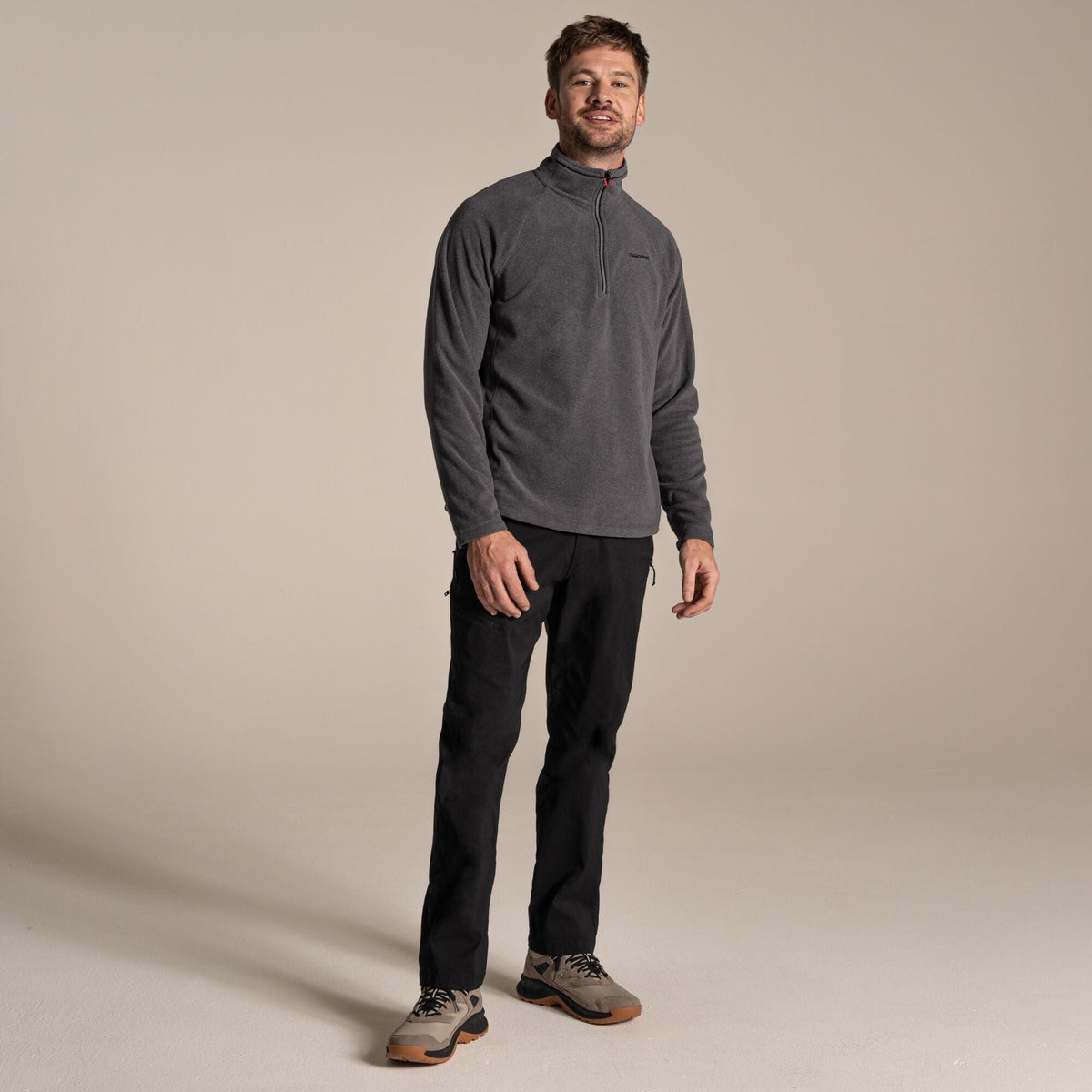
Australian weather can turn from hot sun to cold wind and rain in an afternoon. What to wear hiking comes down to three jobs: keep the sun off, stay dry, and carry layers you can add or take off. Here's what to wear for each, from your shirt to your socks.
A simple hiking outfit for a day walk
- A quick-dry long sleeved shirt with a collar
- Lightweight hiking pants, or shorts on open, well-kept tracks
- A hat that shades your face, ears and neck
- Hiking socks and boots or shoes you've already worn in
- A waterproof, windproof jacket in your pack
- A warm layer, such as a fleece or wool jumper, for rest stops and cold changes
Dress in layers for changeable weather
NSW National Parks warns that weather conditions can change rapidly. It recommends lightweight layers you can take off and put back on, plus waterproof and windproof clothing.
| Layer | Job | What to wear |
|---|---|---|
| Next to skin | Sun cover, comfort while moving | Quick-dry shirt or top, hiking pants or shorts |
| Warm layer | Warmth at stops and in cold changes | Fleece or wool jumper |
| Outer layer | Keeps out rain and wind | Waterproof, windproof jacket; waterproof pants in wet or alpine areas |
Skip cotton and denim
Tasmania Parks and Wildlife lists quick-dry walking clothes on its pack list and says to avoid denim and cotton. Bushwalking Victoria gives the same advice for warm layers: fleece or wool, not cotton.
Sun protection: long sleeves and a proper hat
ARPANSA, the national radiation safety agency, says the more skin you cover the better. Collars, long sleeves and long pants give full body coverage, and a UPF rating tells you how much UV the fabric blocks. It advises sun protection whenever the UV Index is 3 or above. Sunscreen still goes on your face and hands.
- Shirts: a long sleeved shirt with a collar covers your arms and neck. Browse hiking shirts, including the NosiLife SolarShield+ range, rated UPF 50+.
- Hats: ARPANSA rates broad-brimmed, wide-brim bucket and legionnaire-style hats as giving the most protection. Baseball caps don't protect the neck and ears. See our hats, including the wide-brim NosiLife Outback Hat II and the NosiLife Desert Hat III with a neck flap.
For more on ratings, read What is UPF?
What trousers to wear for hiking
NSW National Parks says long, loose clothing is ideal to protect you from the sun, insects and scratches. On scrubby, overgrown or tick-prone tracks, long pants are the better choice. Shorts suit open, well-formed tracks in warm weather.
- Kiwi Pro trousers are stretchy, water repellent, UPF 50+ walking trousers. Try the Men's Kiwi Pro III Trousers or Women's Kiwi Pro III Trousers.
- NosiLife trousers have a plant-based insect repellent built in for the life of the garment, such as the Men's NosiLife Pro Trouser III and Women's NosiLife Pro Trousers III.
- Can't decide? Convertible pants zip off into shorts, so you can start cool and cover up when the scrub closes in.
- Fit: the range runs from Slim through Active and Regular to Relaxed, and each product page shows its fit. Pick one you can step up and crouch in.
Shop all hiking pants.
Ticks, leeches, insects and snakes
NSW National Parks warns that leeches, ticks and bees may be present, and recommends light-coloured clothing covering your arms and legs, a hat and insect repellent.
NSW Health's tick advice for walkers:
- Wear a long sleeved shirt, long pants tucked into socks and a wide brimmed hat
- Choose light colours, because ticks are easier to spot on them
- Spray clothes and hats with insect repellent, and use a skin repellent containing DEET or Picaridin
- After the walk, remove your clothes and check for ticks, especially behind the ears, on the back of the head, groin, armpits and back of the knees
Our insect repellent clothing uses NosiLife. Use it alongside the health advice above, not instead of it.
For snakes, NSW National Parks suggests tapping a walking stick on the ground so they feel you coming. If you see one on the path, stop, back away slowly and let it pass.
Socks and footwear
Tasmania Parks and Wildlife lists hiking boots and socks on its essentials list for every walk, and says to wear your shoes in before you go to minimise blisters. Gaiters are on the same list. NSW National Parks says to wear comfortable, protective shoes, not thongs. Pair your boots with proper hiking socks, such as the NosiLife Adventure Socks or NosiLife Travel Wool Socks.
Your rain layer
Carry a waterproof, windproof jacket on every walk, even on a clear morning. For alpine walks, Bushwalking Victoria calls a waterproof and windproof jacket and over-pants non-negotiable, and warns that cheaper fashion jackets often leak in sustained rain. For wet day walks, see the Men's Kiwi Pro II Waterproof Trousers (Short Leg) and the Women's Natales Waterproof Lightweight Cargo Trousers.
Overland Track and multi-day walks
Alpine and multi-day walks need more. On the Overland Track, Tasmania Parks and Wildlife notes that much of the walk is above 1,000 metres on exposed plateaus, and that snow can occur at any time of year. Its pack list says alpine walkers must carry:
- Warm clothing, including a fleece or woollen jumper, hat, gloves and a neck warmer
- A good quality waterproof jacket with a hood
- Good quality waterproof over trousers
- Thermal under layers, long sleeve top and long pants
Use the official Walker Pack List and the Overland Track planning page as your Overland Track gear list, and check the forecast before you leave.
FAQs
What should I wear hiking in summer?
A quick-dry collared long sleeved shirt, hiking pants or shorts, a wide-brimmed hat and sunscreen. Carry a rain jacket and a warm layer too.
Is it better to hike in pants or shorts?
Long pants protect against sun, scrub and insects. Shorts are fine on open tracks. Convertible pants do both.
What should men wear hiking?
The same layers as anyone: a collared long sleeved shirt, hiking pants, a hat, good socks and a rain jacket. Start with hiking shirts and hiking pants.
Can I hike in jeans?
It's best not to. Tasmania Parks and Wildlife advises avoiding denim and cotton and choosing quick-dry walking clothes.
What bushwalking gear do I need for a short walk?
Tasmania's essentials list for all walks includes a weatherproof jacket, warm hat and gloves, sun hat, hiking boots and socks, sunscreen, water, food, a first aid kit and a mobile phone.