
What to wear in Bali and Southeast Asia
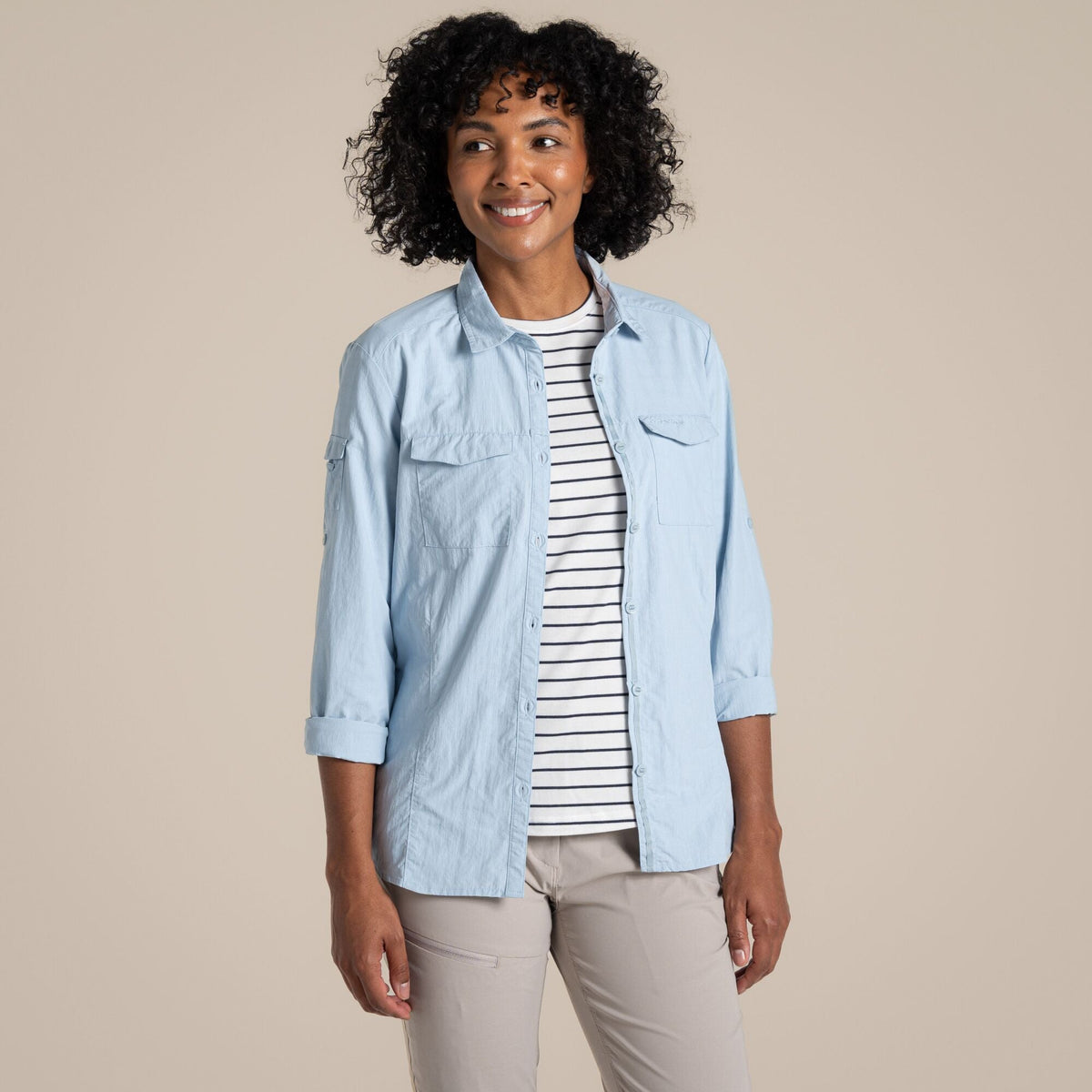
Packing for Bali, Thailand or Vietnam comes down to three things: heat, mosquitoes and strong sun, plus local standards of dress. The right clothes deal with all three, so you can pack less.
The short answer
- Long, loose, light-coloured clothing. It's what Smartraveller advises for mosquitoes in Indonesia, Thailand and Vietnam.
- Long pants and sleeves for temples. Dress standards at religious sites are more conservative than at the beach.
- A sun hat, plus sunscreen and insect repellent for any skin you leave uncovered.
- Closed shoes and socks for walking, markets and the evenings.
What to wear in Bali
Bali is part of Indonesia, where Smartraveller notes that standards of dress and behaviour are conservative in many parts of the country. It also asks travellers to read the Bali Provincial Government's official Do's and Don'ts before they go. That card asks visitors to dress appropriately and respect local culture, ceremonies and religious sites.
Beachwear is for the beach and pool. For temples, ceremonies, villages and dinner out, pack long pants and a light top that covers your shoulders. If you're not sure what a particular place expects, ask locally.
Mosquitoes matter in Bali too. Smartraveller lists dengue as present in Bali, and says insect-borne illnesses are common in Indonesia throughout the year. Its advice:
- Wear long, loose, light-coloured clothing and closed shoes.
- Use insect repellent.
- Avoid areas with lots of mosquitoes, like stagnant water.
- Take extra care in the early morning and late afternoon, when mosquitoes are most active.
What to wear in Thailand
Smartraveller asks visitors to be respectful at temples, places of worship and traditional ceremonies, including by dressing appropriately. A long-sleeved shirt and long pants or a longer dress cover you for a full day of sightseeing, temples included.
Smartraveller rates insect-borne diseases as a significant risk in Thailand, particularly in the rainy season. Its clothing advice is the same: long, loose and light-coloured.
What to wear in Vietnam
Smartraveller lists dengue, Japanese encephalitis, malaria and Zika as risks in Vietnam, and again advises long, loose, light-coloured clothing alongside repellent. Storm season, usually June to November, brings heavy rain and floods, so pack a light rain layer.
Wet seasons at a glance
Rain brings mosquitoes. Smartraveller notes insect-borne illness outbreaks are common in Thailand's rainy season.
| Destination | Wet or storm season (Smartraveller) |
|---|---|
| Bali and most of Indonesia | Usually October to April |
| Thailand, north and central, including Phuket | May to November |
| Koh Samui and south-east Thailand | November to March |
| Vietnam | Storm season usually June to November |
Tropical clothing that helps with mosquitoes
healthdirect's advice for avoiding dengue mosquitoes:
- Wear loose, long-sleeved, light-coloured clothing, with socks and covered shoes.
- Avoid tight clothing: mosquitoes can bite through it.
- Use a repellent containing DEET, picaridin or oil of lemon eucalyptus on exposed skin.
- The mosquitoes that spread dengue bite throughout the day, and are most active in the hours before sunrise and before sunset.
Craghoppers insect repellent clothing is made with NosiLife. A plant-based insect repellent, from Eucalyptus citriodora oil, is built into the fabric for the lifetime of the garment, along with odour elimination. The range covers long sleeved shirts and tees, trousers, socks and hats for men, women and kids. Clothing only covers what it covers, so keep using repellent on your hands, face and neck.
Sun protection close to the equator
ARPANSA recommends sun protection whenever the UV Index is 3 or above. Collars, long sleeves and long pants give full-body coverage, but it advises never relying on clothing alone: add a hat, sunscreen and shade.
Craghoppers sun protection clothing uses SolarShield+, rated UPF 50+, which blocks 98% of UVA and UVB and is built into the fabric. Many styles, such as the Women's NosiLife SolarShield+ Long Sleeved T-Shirt and the Men's NosiLife SolarShield+ Long Sleeved T-Shirt, combine sun protection with NosiLife. Read more in What is UPF?
For your head, the NosiLife Outback Hat II and NosiLife Desert Hat III are in hats and caps.
Travel pants
One or two pairs of good travel pants do most of the work on a Southeast Asia trip: temples, long bus rides, mosquito hours and evenings out. Convertible styles, like the Men's NosiLife Convertible Cargo Trouser III and the Women's NosiLife Pro Convertible Trousers III, give you long pants for temples and shorts for the beach. Most of the range is made with NosiLife.
A simple packing list
- 2 long-sleeved shirts or tees, light-coloured
- 1 or 2 pairs of travel pants, one convertible
- 1 dress or pair of long pants for evenings and temples
- A sun hat
- NosiLife socks and closed shoes
- Swimwear and a cover-up for the beach
- Sunscreen and insect repellent
FAQs
Can I wear shorts in Bali?
Yes, at the beach, the pool and around your accommodation. Smartraveller notes dress standards are conservative in many parts of Indonesia, so wear long pants or a longer skirt for temples, ceremonies and villages.
Do I still need insect repellent with NosiLife clothing?
Yes. NosiLife works on the fabric, not your skin. healthdirect advises repellent on exposed skin.
What colours should I pack for Southeast Asia?
Light colours. Smartraveller and healthdirect both recommend light-coloured clothing to help avoid mosquito bites.
What should I wear in India?
India isn't in Southeast Asia, but the same principles apply. Smartraveller says India has strict dress and behaviour codes, especially at religious sites, and that insect-borne diseases are common, with dengue widespread in the June to October monsoon.
Do I need vaccinations?
That's a question for your doctor. Smartraveller recommends asking about health risks and vaccines before you go, and its destination pages have the latest advice.